EMMI Workshop: Light-ion collisions 2026
HS2
Kirchhoff-Institut für Physik (KIP)
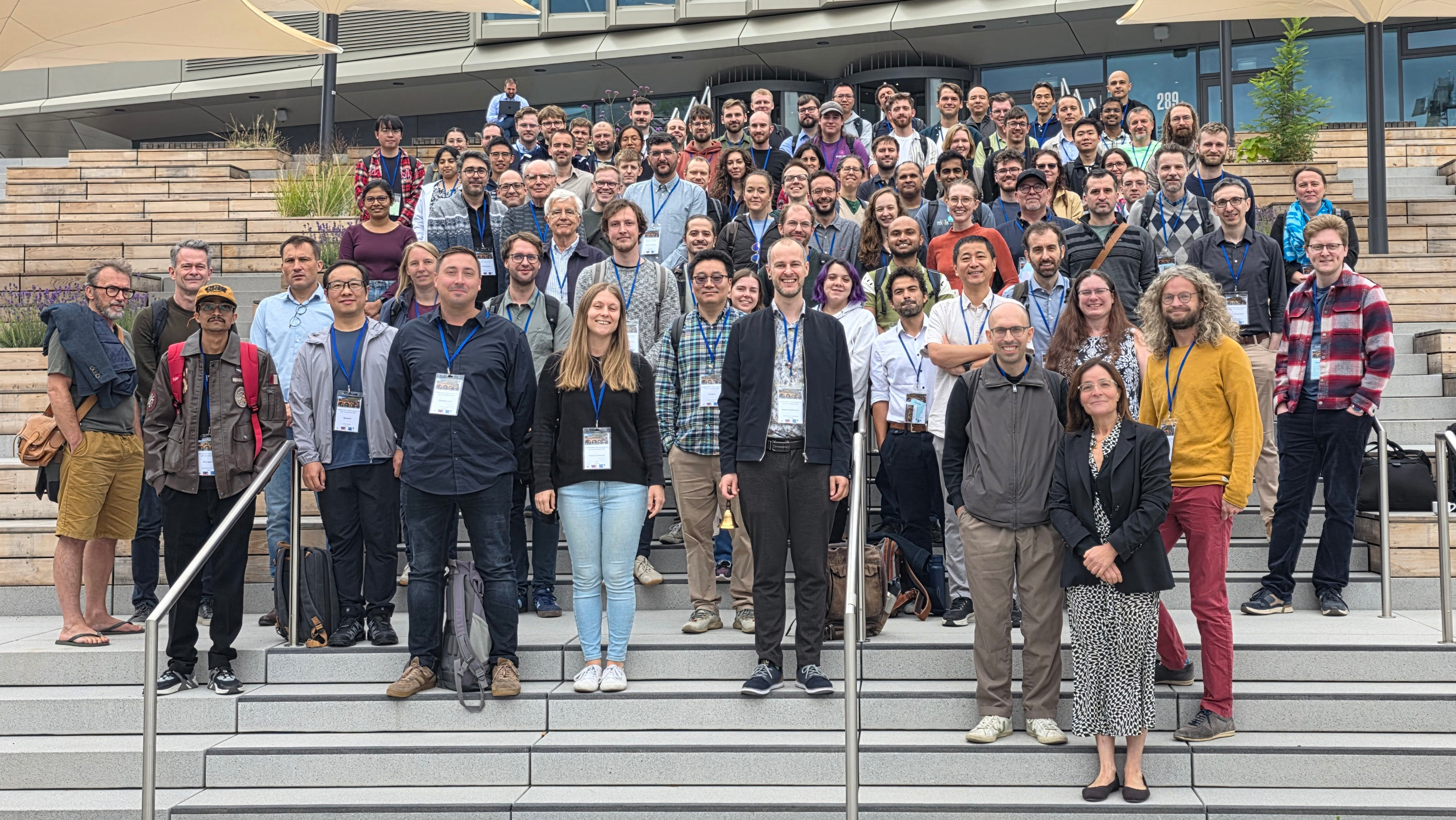
Workshop participant photo
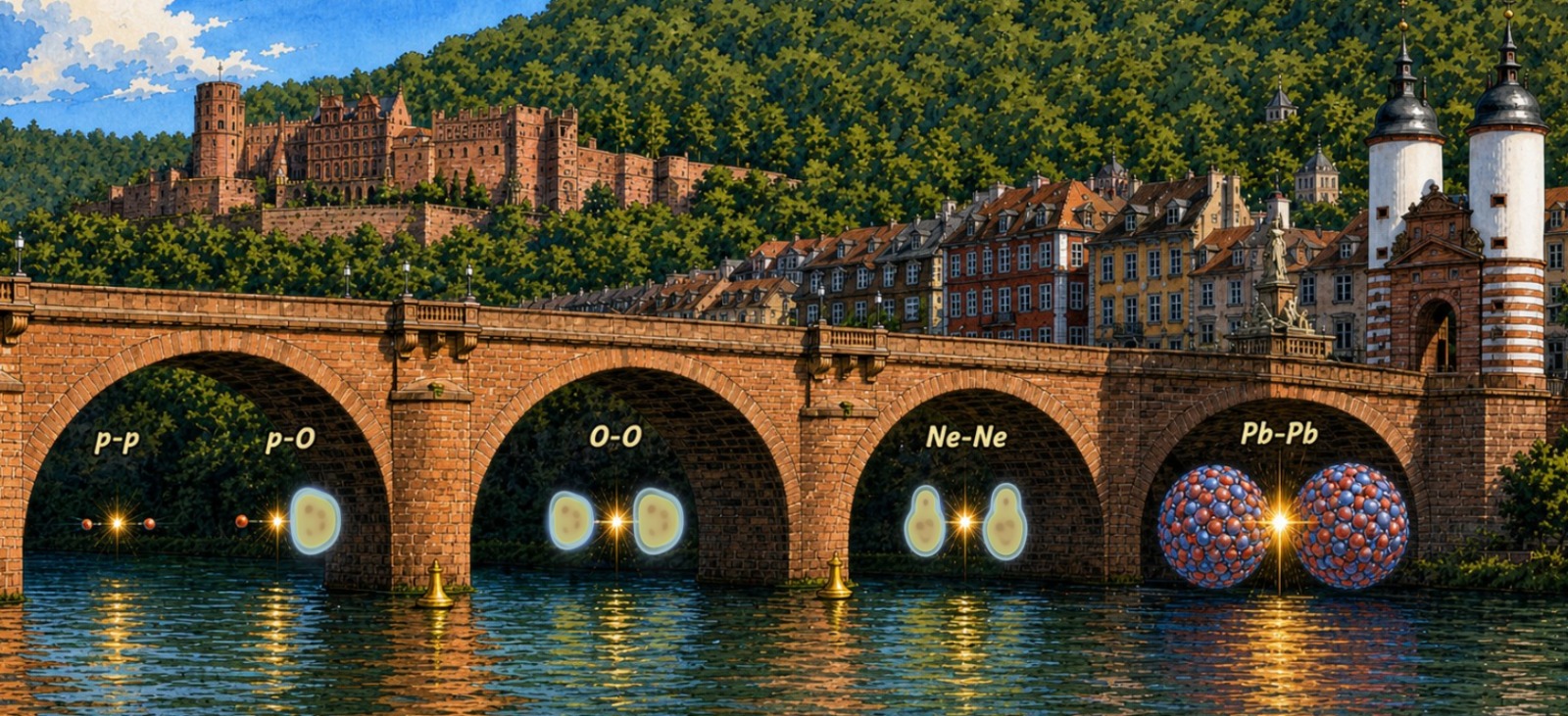
- Out-of-equilibrium QCD phenomena and onset of collectivity in nuclear collisions
- Onset of jet quenching in small and intermediate systems
- Collectivity of heavy flavors across system sizes and shapes
- Interdisciplinary connections (nuclear structure, nuclear astrophysics, neutrinoless double-beta decay, cold atoms)
- Prospects and opportunities for future ion runs at LHC Run 4 and beyond
The workshop will start on Monday morning (September 21st) and end on Friday after lunch (September 25th). A workshop fee of 150 EUR will be charged to participants. This fee covers coffee breaks, lunches, the welcome reception, and the conference dinner. Financial support will be available for a limited number of early-career researchers.
It will be possible to follow the talks and discussions on zoom (no recordings), with a limited option to ask questions at https://cern.zoom.us/j/62118243429?pwd=MTepbUbGxB661OS6surbRpBouTWh7V.1
Two-question questionnaire:
https://forms.gle/2Ei9ohgeotfmqfLU9
-
-
Registration
-
Overviews: 1/3
-
1
EMMI Workshop IntroductionSprecher: Aleksas Mazeliauskas (Institut für Theoretische Physik, Universität Heidelberg), Alexander Tichai (Technische Universitaet Darmstadt), Andrea Dubla (GSI Helmholtzzentrum für Schwerionenforschung GmbH(GSI)), Federica Capellino (GSI Helmholtzzentrum für Schwerionenforschung GmbH(GSI)), Giuliano Giacalone (CERN), Reyes Alemany Fernandez (CERN), Wilke van der Schee (CERN)
- 2
-
3
The Standard Model of High-Energy Nuclear CollisionsSprecher: Jean-Francois Paquet (Vanderbilt University)
-
4
Nuclear Structure in High Energy Nuclear CollisionsSprecher: Thomas Duguet (CEA/Saclay)
-
1
-
10:15
Coffee Break
-
Overviews: 2/3
-
5
ALICE LIC OverviewSprecher: Romain Schotter (Austrian Academy of Sciences)
- 6
-
7
CMS LIC OverviewSprecher: Austin Baty (University of Illinois Chicago)
-
5
-
12:00
Lunch
-
Overviews: 3/3
-
8
LHCb LIC OverviewSprecher: Chiara Lucarelli (CERN)
- 9
-
10
The sPHENIX physics program in O+O collisions at RHIC
The sPHENIX detector at RHIC was designed for precision measurements of jets, photons, and heavy flavor to study the quark-gluon plasma (QGP). Its recently completed data-taking campaign includes p+p and O+O collisions at √s_NN = 200 GeV, recording integrated luminosities of 115/pb and 53/nb, respectively. This dataset provides a new opportunity to investigate how QGP signatures depend on system size and how collision geometry and nucleon substructure influence observables in small systems. This talk will present an overview of the sPHENIX O+O program and its underlying physics motivation, including the first measurement from this dataset, the nuclear modification of inclusive jets. Additional analyses are underway, spanning both bulk observables and hard probes. Together, these measurements will provide a broad picture of small-system dynamics at RHIC energies and complement the light-ion program at the LHC by extending these studies to lower collision energies.
Sprecher: Rosi Reed (Lehigh University)
-
8
-
14:45
Coffee Break
-
Collective Flow: 1/2 + Femtoscopy
-
11
Proton femtoscopic source in light ion collisions with the ALICE experiment
The femtoscopic technique offers a unique tool to investigate the spatial
structure of the particle-emitting source through the measurement of
momentum correlations between emitted hadrons. This contribution presents
the latest measurements of proton–proton femtoscopic correlations obtained
with the ALICE experiment in OO and Ne-Ne collisions at $\sqrt{s_{\rm NN}} = 5.36$ TeV, based on data collected in 2025 during the Run 3 data-taking
period at the Large Hadron Collider.
The extracted proton source radii are studied as a function of event
multiplicity and exhibit a behavior similar to that observed in heavy-ion
femtoscopy. In light-ion collisions, the multiplicity range lies between that of
small systems, such as pp and p–Pb, and large systems such as Pb–Pb
collisions.
By comparing these results with measurements from larger collision system
such as Pb-Pb, it becomes possible to study if a common scaling of the
emitting source can be observed over a large range of system sizes, and to
investigate the evolution of the source while exploring the role of
hydrodynamic expansion in intermediate-size nuclear systems.Sprecher: NEELIMA AGRAWAL (Universita e INFN, Bologna (IT)) -
12
Femtoscopic signatures of unique nuclear structures in light-ion collisions
A vital topic of today’s high-energy nuclear physics is the investigation of the nuclear structure of the collided nuclei. Recent studies at the Relativistic Heavy Ion Collider (RHIC) and the Large Hadron Collider (LHC) have shown that several observables, such as the collective flow and transverse-momentum correlations of the produced particles, can be sensitive to various nuclear structure and deformation parameters. Femtoscopy, another essential tool for investigating the space-time geometry of the matter created in nuclear collisions, has not yet been widely applied to such studies. In this talk, it will be demonstrated that the femtoscopic source parameters of pion pairs can also serve as a robust signal of unique nuclear structure. Through an analysis of Pb+Ne and Pb+O collisions at a collision energy of 68.5 GeV per nucleon pair, two collision systems especially relevant to the SMOG2 program of the LHCb experiment, it is shown that a deformed initial shape can significantly affect femtoscopic source parameters. This analysis is also being extended to Ne+Ne and O+O collisions at 5.36 TeV per nucleon pair collision energy (relevant to other LHC experiments), using a hybrid (hydrodynamics + hadronic transport) framework. These studies highlight the importance of expanding the nuclear structure investigations to femtoscopic observables and serve as a baseline for numerous possible future studies in this new direction.
Sprecher: Daniel Kincses (Eotvos University) -
13
Higher-Order Cumulants of Mean Transverse Momentum and Harmonic Flow in Heavy- and Light-Ion Collisions
The correlation between the mean transverse momentum and elliptic flow has emerged as a powerful observable for probing nuclear and sub-nuclear structure. In this talk, we present the study of higher-order cumulants involving the mean transverse momentum and elliptic flow. We provide hydrodynamic predictions for these cumulants in both heavy-ion and light-ion collisions and discuss how they can be exploited to extract additional information about nuclear structure, complementing the conventional mean transverse momentum--$v_2$ correlator that has already been measured experimentally. Furthermore, we derive quantitative relations connecting the cumulants of the mean transverse momentum with different moments of the harmonic flow. Hydrodynamic simulations are found to satisfy these relations. Those relations could be used to test experimentally the collective hydrodynamic origin of the observed correlations between the mean transverse momentum and harmonic flow in both heavy-ion and light-ion collisions.
Ref. : https://arxiv.org/abs/2605.26737Sprecher: Tribhuban Parida (AGH University of Krakow) -
14
An investigation of radial collectivity in Oxygen+Oxygen collisions at $\sqrt{s_{\rm NN}} = 5.36$ TeV via the $v_{0}(p_{\rm T})$ observable
Oxygen-oxygen collisions offer a clean testing ground for the onset of collectivity in intermediate-size systems lying between pp and heavy-ion collisions. We study radial flow fluctuations in O+O collisions at $\sqrt{s_{\rm NN}} = 5.36$ TeV using the transverse-momentum-differential observable $v_{0}(p_{\rm T})$, recently measured in Pb+Pb collisions at the LHC. Events are generated with AMPT in its string-melting mode using a Woods-Saxon nuclear profile, and $v_{0}(p_{\rm T})$ is extracted from a two-subevent method within the ALICE central-barrel acceptance ($|\eta| \leq 0.8$). Across centrality classes from 0–5% to 70–80%, $v_{0}(p_{\rm T})$ displays the characteristic radial-flow pattern: negative at low-$p_{\rm T}$, positive and rising at intermediate-$p_{\rm T}$ with an ordered centrality evolution. The $v_{0}(p_{\rm T})$ signal shows no appreciable difference between the forward FT0 and mid-rapidity charged-particle centrality estimators, and persists across subevent pseudorapidity gaps ($\eta_{\rm gap}$) from 0.0 to 0.4, indicating that it is dominated by genuine long-range collective correlations rather than short-range non-flow contributions. For identified hadrons ($\pi^{\pm}, K^{\pm}, p+\overline p$) in most central collisions, $v_{0}(p_{\rm T})$ exhibits a clear mass-ordering at low-$p_{\rm T}$ and a baryon–meson crossing at intermediate-$p_{\rm T}$. Together, these features are consistent with the development of collective radial flow in O+O collisions and establish $v_{0}(p_{\rm T})$ as a robust, non-flow-suppressed probe of the onset of collectivity in small systems.
Sprecher: Rohit Agarwala (Bodoland University, IN)
-
11
-
16:15
Break
-
Discussion: Centrality determination across theory and experiment
-
15
Unified wounded-parton description of multiplicity distributions in light and heavy ion collisions
We study charged-particle multiplicity distributions in OO, NeNe, XeXe, and PbPb collisions within the wounded-parton Glauber framework with overlayed negative binomial fluctuations, implemented in GLISSANDO. We fit directly the multiplicity distributions (histograms), simultaneously across all the systems, using the same model parameters for each reaction. The fit is performed in 1–80 % centrality range. Avoiding the most peripheral events makes the method insensitive to the normalization issues caused by the difficultly in separating the Coulomb interactions or QED cross-sections from pure hadronic cross section. The ultra-central collisions may involve different physics mechanisms. In our model, we find a universal description of multiplicity distributions across all the studied systems, except for the very central collisions, c $\lesssim$ 1%.
Sprecher: Rupam Samanta (Institute of Nuclear Physics (IFJ, PAN), Poland) -
16
A 3D Hydrodynamic Assessment of Centrality Definitions and Initial-State Estimators in Light-Ion Collisions
The recent light-ion runs at the LHC, specifically oxygen–oxygen (OO) and neon–neon (NeNe) collisions, have been remarkably successful, offering valuable new insights into Quark-Gluon Plasma (QGP) formation and collectivity in small systems. Despite this success, some tensions remain between the experimental measurements reported by different collaborations. A key potential source of these discrepancies could be the variation in centrality definitions across experiments. To address this issue, we employ a fully three-dimensional simulation framework—combining Trento, MUSIC, and SMASH—to model OO and NeNe collisions. By applying the specific centrality definitions used by each collaboration to our simulation results, we systematically quantify their impact on final-state observables. Additionally, we investigate centrality estimators based on initial-state models and explore the influence of NeHe configurations through nuclear mutation on these centrality definitions.
Sprecher: Andreas Kirchner (Duke University) -
17
Centrality Determination in Experiments
-
15
-
Reception
-
-
-
Hard Probes: 1/3
-
18
Jet and Heavy Flavor Quenching OverviewSprecher: Daniel Pablos (Universidad de Oviedo)
-
19
Jet production in O+O collisions with the sPHENIX detector
The sPHENIX detector at RHIC is designed for precision measurements of high-pT jets, providing strong constraints on the properties of the quark–gluon plasma. Having completed its data taking, sPHENIX has recorded full datasets of Au+Au and O+O collisions, along with the reference dataset of p+p collisions, at a center-of-mass energy of 200 GeV. This talk presents measurements of the nuclear modification factor R_AA and the central-to-peripheral ratio R_CP for inclusive jets in O+O collisions as a function of jet transverse momentum in several centrality intervals. The results are compared with theoretical calculations both with and without parton energy loss mechanisms. These measurements provide an important point in mapping the system-size dependence of jet quenching.
Sprecher: JAEBEOM PARK -
20
Unified jet-medium treatment in light ions and their azimuthal anisotropies
The recent light-ion runs at the LHC allow us to study how the formation and properties of the QGP depend on the size of the system produced. We present results from the newly developed NuclearConfectionery hybrid model [1], which couples (3+1)D relativistic viscous hydrodynamics (CCAKE) with in-medium jet energy loss via the MELT (Module Energy Loss Treatment) module in a single event-by-event evolution. We have made specific numerical upgrades that allow for better resolution of jets and diffusion wakes in small systems such as the first adaptive hydrodynamic code in heavy-ion collisions and "glass" initial conditions. In the soft sector, we perform a Bayesian analysis of bulk observables over a scan of system sizes, from small to large. In the hard sector, we present R_AA for the same set of systems and provide predictions for the multi-particle cumulants vn{2} and vn{4} for n=2-4. We further investigate the fluid back-reaction to the propagating jet and the associated jet wake in these small systems.
[1] Pala et al, 2511.22852 [nucl-th]
Sprecher: Kevin P. Pala (Universidade de São Paulo) -
21
Evolution of Parton Energy Loss Across Collision Systems: Insights from the DREENA Framework
Light-ion collisions provide a unique opportunity to investigate the transition between small and large collision systems and to explore the onset of jet quenching. Following the dedicated O+O and Ne+Ne runs at the LHC in 2025, recent measurements by ALICE and CMS have established evidence for parton energy loss in O+O collisions, motivating detailed theoretical studies. In this contribution, we present predictions for high-pT observables in O+O, Ne+Ne, and intermediate Xe+Xe collisions using the Dynamical Radiative and Elastic ENergy loss Approach (DREENA). The DREENA framework has successfully described a broad range of high-pT observables in heavy-ion collisions. Our results provide new insights into parton energy loss in light-ion collisions, the influence of the initial geometry on high-pT observables, and the evolution of parton energy loss across different collision-system sizes.
Sprecher: Bithika Karmakar (Czech Technical University in Prague) -
22
Looking for the Small Size Limit of Energy Loss at the LHC
The oxygen-oxygen and neon-neon collisions provided by the LHC in the summer of 2025 have proved to be enormously scientifically fruitful. Clear signatures of energy loss have been observed in dijets. Hadron measurements also show signs of energy loss. It is of clear interest in Run 4 to further explore the transition between proton-lead collisions, where no energy loss signatures have been observed, and the region of the Run 3 measurements. In order to do this, we have run simulations using Glauber and Trento Monte Carlos of potential nuclei to collide, evaluated the transverse area of the potential collisions and compared them to those of existing collision systems. We will highlight areas that are particularly scientifically interesting. We also discuss luminosity requirements to make significant measurements. The feasibility of running this program and the impact of a second injector are also discussed.
Sprecher: Prof. Riccardo Longo (University and INFN Torino)
-
18
-
10:25
Coffee Break
-
Hard Probes: 2/3
-
23
New global nuclear PDF analysis within the nCTEQ framework: nCTEQ26
We present a new global analysis of nuclear parton distribution functions (nPDFs) within the nCTEQ framework.
The analysis includes neutral-current and charged-current deep-inelastic scattering data, fixed-target Drell–Yan measurements, and a substantial set of proton–lead collision data from the LHC.
In particular, W/Z-boson and heavy-flavor production measurements provide important constraints on the nuclear gluon distribution.
The resulting fit yields a new nPDF set.
We will focus on its uncertainty landscape across a wide range of nuclei, from light to heavy ions, as well as from low to high Bjorken-x.
In addition, we present predictions for observables that were not included in the fit and discuss their potential impact on future global nPDF analyses.Sprecher: Katrin Greve (Universität Münster) -
24
Cold nuclear matter baselines for jet quenching searches in light-ion collisions
The recent light-ion collision programme at RHIC and the LHC provides a unique opportunity to investigate the onset of quark-gluon plasma formation and parton energy loss in small systems. A quantitative interpretation of emerging jet-quenching measurements requires precise control over cold nuclear matter (CNM) effects, which modify hard-process cross sections independently of any hot-medium dynamics.
This talk, based on [1], gives an overview of pQCD baseline predictions for hadron and electroweak‑boson production in p–O, O–O and Ne–Ne collisions at the LHC, using a comprehensive set of nuclear PDFs. Furthermore, a set of multi‑cross‑section ratios is presented in which CNM effects and their uncertainties largely cancel, resulting in observables that are particularly well‑suited to isolating genuine energy‑loss signals.[1] F. Jonas, C. Loizides, A. Mazeliauskas, P. Paakkinen and N. Strangmann, A compendium of cold-nuclear matter baseline predictions in light-ion collisions, arXiv:2602.15928 hep-ph (accepted by EPJC)
Sprecher: Florian Jonas (CERN) -
25
Evidence for Parton Energy Loss in Oxygen–Oxygen Collisions with ALICE
The first oxygen–oxygen and proton–oxygen collisions delivered by the LHC in 2025 provide a unique opportunity to study the onset of parton energy loss in collision systems significantly smaller than those traditionally used for heavy-ion physics. While recent measurements have revealed several signatures of collective behavior in oxygen collisions, establishing the presence of parton energy loss proves challenging due to the potentially significant contribution of cold-nuclear-matter effects.
This contribution presents recent ALICE measurements of neutral-pion production in oxygen–oxygen and proton–oxygen collisions. By combining the nuclear modification factors measured in both systems in a novel double-ratio observable, cold-nuclear-matter effects can be constrained experimentally and largely cancelled. The resulting measurement provides first evidence for parton energy loss in oxygen–oxygen collisions and extends experimental access to the smallest nuclear collision systems in which this phenomenon has been established. The results are compared to theoretical calculations both with and without parton energy loss, providing a direct test of the role of final-state interactions in oxygen collisions.
Sprecher: Nicolas Strangmann (Goethe University Frankfurt) -
26
From Lead to Helium: Partonic Energy Loss in Very Light Ion Collisions
We present perturbative QCD predictions for high-momentum particle suppression in very light ion collisions — $^{10}$B $+$ $^{10}$B, $^{6}$Li $+$ $^{6}$Li, $^{4}$He $+$ $^{4}$He, and $^{3}$He $+$ $^{3}$He — comparing calculations with and without medium-induced parton energy loss. Our energy loss model predicts non-trivial suppression across the full range of system sizes at minimum bias, from $^{208}$Pb $+$ $^{208}$Pb down to $^{3}$He $+$ $^{3}$He, and we observe the approximate scaling $R_{AA} \sim A^{1/3}$. We find good agreement with available suppression data from $^{208}$Pb $+$ $^{208}$Pb, $^{197}$Au $+$ $^{197}$Au, $^{129}$Xe $+$ $^{129}$Xe, $^{20}$Ne $+$ $^{20}$Ne, and $^{16}$O $+$ $^{16}$O. Extending our model to unmeasured light-ion systems, we find that tight constraints from deep inelastic scattering on the nuclear parton distribution functions of $^3$He and $^6$Li lead to minimal initial-state modification; these nuclei therefore provide particularly clean environments for isolating final-state partonic energy loss driven by quark-gluon plasma formation in these very small systems.
Sprecher: Coleridge Faraday (University of Cape Town)
-
23
-
12:00
Lunch
-
Heavy Flavour
-
27
Heavy Flavour Collectivity OverviewSprecher: Maria Lucia Sambataro (Università di Catania - LNS (INFN))
-
28
Probing deconfinement and related phenomena from small to large systems with $\Upsilon$~meson measurements with the CMS experiment
One of the most unanticipated findings of the LHC heavy ion program is the observation of stronger suppressions of the excited $\Upsilon$ states compared to the lower $\Upsilon\mathrm{(1S)}$~state in \mbox{proton-lead} collisions, with the same hierarchy as seen in the larger \mbox{lead-lead}~(PbPb) collision events. Together with other observations of signatures of quark-gluon plasma formation in ``small systems'', this feature raises the question of whether a hot medium can be produced in such systems and motivates studies for ions with different sizes. We report the first measurement of $\Upsilon$~mesons in \mbox{oxygen-oxygen} and \mbox{neon-neon} collisions and the observation of stronger suppression for the excited states. The yield ratios relative to the $\Upsilon\mathrm{(1S)}$ production rate are compared with similar results from other collision systems as well as with models describing the nuclear modification of quarkonium production in (deconfined) media.
Sprecher: Georgios Krintiras (The University of Kansas (US)) -
29
Search for onset of QGP signatures from fixed-target to light-ion collisions with the LHCb detector
The LHCb experiment offers a unique ion physics programme through both collider and fixed-target configurations, providing access to a broad range of collision energies and nuclear systems. Heavy-flavour production is a powerful probe of nuclear matter, allowing the study of both cold nuclear matter effects and the properties of the medium created in high-energy nuclear collisions. The combination of collider and fixed-target data enables a systematic exploration of collision systems spanning different sizes and energies, offering a unique opportunity to search for the onset of quark-gluon plasma signatures.
During Run 3, LHCb collected its first samples of light-ion collisions, including pO, OO, and NeNe, enabling the first measurements of prompt D$^0$ mesons and $\Upsilon$ production in these systems. Complementing the collider programme, the SMOG2 fixed-target programme provides proton- and ion-induced collisions at intermediate centre-of-mass energies, extending the exploration of QCD into a previously relatively unexplored energy regime. Recent measurements include J/$\psi$, $\psi$(2S), and D$^0$ production in fixed-target collisions as well as hydrodynamic studies with charged -particle flow.
This contribution will present the first heavy-flavour results from the Run 3 light-ion programme together with recent highlights from the fixed-target programme, illustrating how the complementary collider and fixed-target measurements at LHCb provide new insight into the evolution of heavy-flavour production and the emergence of quark-gluon plasma signatures across a broad range of collision systems and energies.
Sprecher: Samuel Belin (Université Paris-Saclay) -
30
Langevin versus hydrodynamic transport of charm quarks in oxygen–oxygen collisions
In heavy- and light-ion collisions, heavy quarks are produced in the initial hard scatterings, before the formation of the quark–gluon plasma (QGP). Nowadays there are strong indications for thermalization of charm quarks in the QGP evolution. The new light-ion data recorded at the LHC will help in understanding thermalization processes for heavy quarks and shed light on possible thermalization also in those smaller collision systems.
We present simulations of the evolution of charm quarks in oxygen–oxygen (O–O) collisions using two different approaches: a hydrodynamic description and a Langevin transport description. We further compare these results to simulations of charm quarks in lead–lead (Pb–Pb) collisions. From this comparison we obtain an estimate of the thermalization properties of charm quarks in O–O relative to Pb–Pb collisions, discuss their dependence on system size and temperature, and assess the applicability of a hydrodynamic description in the light-ion case.Sprecher: Ruwen Schulz (Heidelberg Graduate School fP(HGSFP))
-
27
-
14:40
Coffee Break
-
Hard Probes: 3/3
-
31
Investigating the onset and path-length dependence of energy loss with hard probes in light ions at ATLAS
Light-ion collisions at the LHC provide a unique opportunity to study parton energy loss in compact systems with controlled initial geometry and a direct $pp$ baseline at the same energy. In 2025, the ATLAS detector recorded integrated luminosities of $8~\mathrm{nb}^{-1}$ of O+O and $1~\mathrm{nb}^{-1}$ of Ne+Ne collisions, together with approximately $400~\mathrm{pb}^{-1}$ of $pp$ collisions, at $\sqrt{s_{\mathrm{NN}}}=5.36~\mathrm{TeV}$. These datasets enable a comprehensive study of medium-induced effects using both hadronic and jet observables. Using anti-$k_t$ $R=0.4$ jets, ATLAS measured the dijet transverse momentum balance via the distribution of $x_J \equiv p_{\mathrm{T},2}/p_{\mathrm{T},1}$ for back-to-back dijets with $63 < p_{\mathrm{T},1} \leq 251~\mathrm{GeV}$ as a function of event activity. A centrality-dependent modification of the $x_J$ distributions is observed in both O+O and Ne+Ne relative to $pp$, with the largest effects in the most central events, consistent with results in Pb+Pb collisions at comparable event activity. In parallel, jet azimuthal anisotropies $v_n$ are measured in O+O and Ne+Ne collisions to probe the geometric dependence of jet quenching. Charged-hadron production is also measured to determine spectra and corresponding nuclear modification factors, $R_{AA}$, providing a quantitative assessment of energy loss effects. Together, measurements of the dijet momentum balance, the jet $v_n$ and charged hadron $R_{AA}$ provide complementary constraints on the magnitude of partonic energy loss and its path-length dependence in light nuclear collision systems at LHC energies.
Sprecher: Anne Sickles (University of Illinois) -
32
Colour decoherence as a probe of medium effects in small systems
The apparent tension between the absence of jet quenching in small systems and the observation of azimuthal anisotropy in the distribution of high-$p_\perp$ particles pushes for the development of new observables capable of probing different aspects of the medium formed in such collisions. With that purpose we study the formation time of jets ($\tau_f$) as a probe for early medium effects in small systems due to the loss of colour coherence (arXiv: 2510.11914). We found that jet formation time allows us to disentangle energy loss from coherence breaking, even in cases where both mechanisms would individually produce the same signal in $R_{AA}$. Furthermore, we extend this analysis by introducing the possibility of decoherence not only in the first but also in the second splitting during the parton shower development. This decoherence, present in the form of breaking of angular ordering, is also allowed to happen in a dynamical manner depending on the mean free path encountered by the parton propagating in a medium. We also study the effects of coherent scatterings on other observables such as $R_{AA}$ and $v_2$ in OO collisions and find that coherence also plays an important role there.
Sprecher: Chiara Le Roux (Wits University) -
33
Early-Stage Jet Quenching
Jet modification in heavy-ion collisions is typically attributed to parton energy loss in the Quark-Gluon Plasma (QGP). Yet, the preceding pre-equilibrium Glasma phase features remarkably large gluon densities and transport coefficients, raising the question of how much jet modification occurs prior to QGP formation. Because early-time jets are highly virtual, their evolution is dominated by a vacuum-like shower. We investigate how this vacuum shower is modified by the early-stage dense medium.
By calculating parton splitting in a dense background field while keeping track of the jet's finite virtuality and formation time, we examine how the medium alters the early time cascade. This is crucial for understanding the competition between vacuum radiation and medium-induced effects, particularly in small systems where Glasma phase may be more prominent.
Sprecher: ismail soudi (Universitat Bielefeld) -
34
Unambiguously Detecting Hard Scattering of Jet Partons off QGP Quasiparticles using Jet Substructure Measurements in Oxygen Collisions
Based on arXiv:2603.23596, we show that oxygen-oxygen (OO) collisions provide a unique arena for detecting rare, high momentum-transfer $2 \rightarrow 2$ Molière scatterings between energetic jet partons and quark- and gluon-like quasiparticles in quark-gluon plasma (QGP). In larger collision systems such as PbPb, jet substructure measurements are often dominated by a jet selection bias: jets that lose less energy are preferentially selected, and such jets tend to have narrower and harder internal structure. This selection bias obscures the genuine broadening induced by Molière scatterings. In OO collisions, the smaller size of QGP droplets reduces the amount of jet energy loss and suppresses this bias, allowing the effects of hard scattering of jet partons off QGP quasiparticles to dominate in select observables. We first show that Hybrid Model calculations agree with recent CMS charged-hadron $R_{\rm AA}$ data in OO collisions only when Molière scatterings are included. We then show that these scatterings broaden the Soft Drop angle $R_g$, enhancing the population of anti-$k_T$ jets with $R_g \gtrsim 0.2$ in OO collisions relative to pp collisions.
Energy-energy correlators (EECs) provide a complementary and especially revealing probe. In OO collisions, EECs exhibit enhanced large-angle correlations from jet-induced wakes and Molière scatterings; with suitable constituent-$p_T$ cuts, contributions to the EEC observable from soft jet-induced wakes can be suppressed, isolating the harder angular correlations generated by Molière scatterings. The resulting OO/pp EEC ratio develops a characteristic bump whose angular position reflects the typical angle of a Molière scattering. As the jet $p_T$ is increased, this bump shifts to smaller angles because a comparable transverse momentum kick from the medium produces a smaller angular deflection of a more energetic jet parton. Measuring both the existence of this bump and its systematic shift with jet $p_T$ in data would provide unambiguous, model-independent evidence that jet partons can resolve the microscopic quasiparticle structure of QGP.
Sprecher: Arjun Kudinoor (Massachusetts Institute of Technology)
-
31
-
16:10
Coffee Break
-
Discussion: What do we learn from the system-size dependence of hard probes? Which observables are most informative?Vorsitzende der Sitzung: Daniel Pablos (Universidad de Oviedo), Rosi Reed (Lehigh University)
-
35
DiscussionSprecher: Daniel Pablos (Universidad de Oviedo), Rosi Reed (Lehigh University), Wilke van der Schee (CERN)
-
35
-
-
-
Nuclear Theory: 1/2
- 36
-
37
Towards calibrating chiral interactions across energy scales
The ab initio approach in nuclear theory aims to describe nuclei at the finest possible resolution scale while maximizing predictive power, with chiral effective field theory promising a systematic link to low-energy QCD. The predictive power of chiral Hamiltonians depends on the information content of the data entering the calibration of the low-energy constants. High-energy collisions of light ions offer an exciting and largely untapped source of new information in this regard. I will discuss how fast and accurate emulators of coupled cluster predictions for the corresponding operators probed by collider data, from e.g. the recent O+O and Ne+Ne runs, combined with Bayesian inference, let us explore this new source of information to learn about the low-energy constants with quantified uncertainties.
Sprecher: Andreas Ekström (Chalmers University of Technology) - 38
-
39
Constraining nuclear dynamics from ultrarelativistic collisions
I give some perspectives on how one can (more) directly constrain coefficients in low-energies of effective theories of QCD from ultrarelativistic collisions of 16O and 20Ne nuclei at the LHC. Using Lattice Effective Field Theory techniques it is possible to generate discrete nuclear configurations, and it has been shown that by using a reweighting method, a single set of configurations can used to explore a significant Hamiltonian parameter space (see Lu, et al., Physics Letters B 797 (2019) 134863). I show that, despite this promise, significant challenges remain due to sign problems and poor convergence. I discuss methods to mitigate these challenges, and comment on current and future possibilities.
Sprecher: Matthew Luzum (University of São Paulo)
-
10:30
Coffee Break
-
Collective Flow: 2/2
-
40
Probing the initial geometry and the onset of collectivity with anisotropic flow in light-ion collisions at LHC-ALICE
Collective behavior, traditionally associated with heavy-ion collisions, has been observed in small collision systems at the LHC. The recent OO and Ne--Ne collisions allow bridging of the gap between small and large collision systems and enable the study of collectivity in well-constrained initial states. Measurements of azimuthal anisotropies are sensitive to the initial-state geometry and enable detailed investigations of the nuclear structure of O and Ne, highlighting the interplay between nuclear structure and collective dynamics in ultrarelativistic collisions.
This contribution presents recent anisotropic flow measurements performed by the ALICE Collaboration in OO and Ne--Ne collisions at $\sqrt{s_{\mathrm{NN}}}$=5.36 TeV using two- and multiparticle correlation methods. The results are compared to hydrodynamic calculations incorporating the nuclear structures of these light nuclei, providing stringent constraints on the modeling of the initial state. In addition, prospects for measuring long-range correlations with the forward ALICE detectors are discussed, with the aim of studying the longitudinal dependence of anisotropic flow and thereby constraining the longitudinal structure of the initial state.
Sprecher: Alexian Lejeune (Czech Technical University in Prague (CZ)) -
41
Collective Flow and Soft-QCD Observables in Light-Ion Collisions with ATLAS
Measurements of soft-particle production and collective flow in light-ion collisions provide powerful probes of both the initial-state geometry and the subsequent dynamical evolution of the system. This talk presents new ATLAS results from proton--oxygen (p+O), oxygen--oxygen (O+O), and neon--neon (Ne+Ne) collisions at $\sqrt{s_{NN}} = 5.36$ TeV collected at the LHC. Collective behavior is studied using charged-particle tracks through measurements of azimuthal anisotropy coefficients, including two-particle and four-particle cumulants, $v_n\{2\}$ and $v_n\{4\}$, in O+O and Ne+Ne collisions. Comparisons among the different collision systems provide clear evidence of collective flow in small systems and offer stringent constraints on the geometry of highly asymmetric collisions. In particular, enhanced $v_2\{k\}$ values observed in the most central Ne+Ne collisions relative to O+O indicate the influence of the intrinsic elongated structure of the neon nucleus.
Measurements of the charged-particle pseudorapidity density, $dn/d\eta$, and average transverse momentum, $\langle p_\mathrm{T}\rangle$, are presented for O+O and Ne+Ne collisions. Charged particles are reconstructed within $|\eta|<2.5$ and $0.27 < p_{\mathrm T} < 5$ GeV, with the measured spectra extrapolated to $p_{\mathrm T}=0$. Results are reported as functions of pseudorapidity and collision centrality for both the fiducial and extrapolated kinematic ranges, together with ratios and differences in between Ne+Ne and O+O systems. The measurements are compared with hydrodynamic calculations employing different initial-state models. Together, these new light-ion data provide valuable constraints on nuclear structure and particle-production models, while establishing an important foundation for understanding collective dynamics and initial-state effects in small collision systems.
Sprecher: Soumya Mohapatra (Columbia University) -
42
Engineering QGP Droplets and Imaging Light-Nucleus Structure with STAR Light-Ion Collisions
Light-ion collisions provide a unique opportunity to study the onset of QGP collectivity and probe nuclear structure at high energy. In this talk, I will present recent STAR measurements in d+Au and $^{16}$O+$^{16}$O collisions at $\sqrt{s_{NN}}$=200 GeV, where controlled variations of the initial geometry help disentangle nucleon configurations, subnucleonic fluctuations, and final-state collective response [1]. Elliptic and triangular flow measurements show that both systems create medium droplets of comparable size but distinct geometry: the larger $v_2$ in d+Au reflects its elliptic shape, while comparable $v_3$ in both systems points to subnucleonic fluctuations. Hydrodynamic calculations tuned to Au+Au collisions describe these patterns, supporting QGP-like droplet formation and turning symmetric--asymmetric comparisons into a differential scan of initial geometry. I will also discuss new STAR measurements of $v_n-[p_T]$ correlations and $[p_T]$ fluctuations, which are sensitive to the intrinsic structure of $^{16}$O, including possible $\alpha$-clustering configurations. Complementary hard and electromagnetic probes extend this picture: recoil-hadron/jet correlations in $^{16}$O+$^{16}$O show significant high-event-activity suppression [2], while dileptons provide a penetrating thermometer of these small QGP droplets. Together, these results show that light-ion collisions can bridge QCD collectivity, initial-state dynamics, and the many-body structure of light nuclei [3,4].
[1] STAR Collaboration, "Engineering the shapes of quark-gluon plasma droplets by comparing anisotropic flow in small symmetric and asymmetric collision systems", arXiv: 2510.19645 [nucl-ex].
[2] STAR Collaboration, "Measurement of jet quenching in O+O collisions at 200 GeV by the STAR experiment at RHIC", arXiv: 2604.13935 [nucl-ex].
[3] S. Huang, J. Jia, and C. Zhang, "Symmetric-asymmetric collision comparison: Disentangling nuclear structure and subnucleonic structure effects for small system flow", Phys. Lett. B 870, 139926 (2025).
[4] C. Zhang, J. Chen, G. Giacalone, S. Huang, J. Jia, and Y.-G. Ma, "Ab-initio nucleon-nucleon correlations and their impact on high energy 16O+16O collisions", Phys. Lett. B 862, 139322 (2025).Sprecher: Chunjian Zhang (Fudan University), Jiangyong Jia (Stony Brook University) -
43
Mapping the longitudinal structure of collective dynamics in O+O and Ne+Ne collisions at the LHC
Light ion collisions at the LHC provide a unique opportunity to test the emergence of QGP-like collectivity in systems that are small in transverse size but highly sensitive to nuclear structure. Recent O+O and Ne+Ne measurements have established sizable anisotropic flow and a characteristic enhancement of elliptic flow in central Ne+Ne collisions, suggesting a hydrodynamic response to the intrinsic geometry of ${}^{20}$Ne. However, this interpretation is largely based on midrapidity observables and implicitly assumes that the observed collective response is representative of the light-ion fireball as a whole. Here we test this assumption by performing event-by-event simulations of ${}^{16}$O+${}^{16}$O, and ${}^{20}$Ne+${}^{20}$Ne collisions at $\sqrt{s_{\rm NN}}=5.36$ TeV with the 3D initial-state model McDIPPER coupled to the viscous hydrodynamic model CLVisc, followed by hadronic afterburner SMASH. The McDIPPER framework combines a $k_\perp$-factorized Color Glass Condensate hybrid approach with ab initio nuclear configurations, allowing us to follow how nuclear geometry are encoded in the longitudinal structure of the final state. By studying rapidity-dependent particle production, anisotropic flow, mean transverse momentum, and flow decorrelations, we characterize the longitudinal structure of collective dynamics in O+O and Ne+Ne collisions and provide a broader baseline for interpreting light-ion collisions beyond midrapidity.
Sprecher: Jie Zhu (Bielefeld University)
-
40
-
12:00
Lunch
-
Nuclear Theory: 2/2
-
44
Ab initio nuclear theory: status and roadmapSprecher: Gaute Hagen (Oak Ridge National Laboratory)
-
45
Quantum Monte Carlo with Neural Quantum StatesSprecher: Bryce Fore (Argonne National Laboratory)
-
46
ab initio light nuclear structure and reaction cross sections
Understanding nuclear structure from fundamental interactions is a foundational task. We present ab initio Nuclear Lattice Effective Field Theory studies of Beryllium isotopes and Carbon-12, with low-lying spectra, radii, and electromagnetic properties in good agreement with data. Alpha-cluster intrinsic densities reveal two-center cluster structures, a one-neutron halo, and molecular dynamics in Be isotopes, and an equilateral triangle for the C-12 ground-state band versus a bent-arm configuration for the Hoyle state. We further discuss high-energy (sub-GeV) nuclear reactions using the Monte-Carlo Glauber technique with our correlated many-body wave functions as input. This approach describes reactions on carbon and hydrogen targets well, explicitly includes many-body correlations, and shows clear improvement over traditional one-body density assumptions. Consistent results for Be isotope reactions demonstrate a unified picture of structure and reaction dynamics. Overall, a coherent ab initio framework simultaneously captures the rich structure and high-energy reactions of light nuclei.
Sprecher: Dean Lee (FRIB/MSU) -
47
Operator-Level Nuclear Structure Constraints from STAR Isobar Data
The isobar collisions realized at RHIC provide a unique opportunity to probe nuclear structure effects in relativistic heavy-ion collisions. In this work, we use the STAR isobar data to perform a Bayesian calibration including nuclear structure parameters. The nuclear densities are described by deformed Woods-Saxon distributions, supplemented by a step-like two-nucleon correlation function that models short-range nucleon-nucleon correlations. From the resulting posterior distribution, we propagate the inferred nuclear parameters to operator-level observables that characterize one- and two-body contributions to nuclear eccentricity fluctuations. We also compute Kumar invariants from the same posterior samples, allowing a comparison between the high-energy operator language of eccentricity fluctuations and the traditional low-energy nuclear-structure description based on electromagnetic quadrupole correlations. Our results show a strong linear correlation between the high-energy two-body eccentricity operators and the respective low-energy Kumar invariants.
Sprecher: João Paulo Picchetti (Universidade de São Paulo (USP))
-
44
-
14:40
Coffee Break
-
0νββ Decay
- 48
-
49
0νββ decay - Status of NME and connection to high-energy collisionsSprecher: Benjamin Bally
-
50
LEGEND - Status and prospectsSprecher: Christoph Wiesinger (Max-Planck-Institut für Kernphysik)
-
51
Microscopic nuclear structure calculations for 76Ge/76Se isobar collisions
Relativistic heavy-ion collisions have emerged as a powerful tool to probe the shapes of the colliding nuclei [1]. Correlations among the final-state particles provide access to the spatial structure of the initial state, making an accurate description of the nuclear geometry essential. In this work, we study the isobars $^{76}$Ge and $^{76}$Se, which are also of particular interest for neutrinoless double-beta decay experiments. A precise understanding of their nuclear structure is crucial for reducing the uncertainties in the corresponding nuclear matrix elements [2]. Refs. [3] and [4] demonstrate the sensitivity of double-beta decay nuclear matrix elements to nuclear shape differences between the parent and daughter nuclei.
The nuclear shell model provides an accurate description of nuclear spectroscopy, including excitation energies and quadrupole-related observables.
These are the key ingredients for assessing nuclear deformation from a low-energy perspective. We characterize the intrinsic shapes of the nuclei using the quadrupole shape invariants $(Q^n)$ [5]. In particular, the expectation value of $\langle Q^2\rangle$ probes the magnitude of the quadrupole deformation $(\beta_2)$, while $\langle Q^3\rangle$ characterizes its triaxiality ($\gamma$).We perform shell-model calculations to extract the deformation parameters $(\beta_2,\gamma)$ and charge radii of the $^{76}$Ge and $^{76}$Se isobars from the shape invariants. We then determine the corresponding Woods-Saxon parameters that reproduce these microscopic results [6]. The triaxial degree of freedom is of particular importance for these nuclei, as low-energy data suggests they are close to maximal triaxiality ($\gamma\approx30^\circ$) [7]. Using this nuclear-structure input, we calculate the initial-state eccentricities as a function of collision centrality, providing predictions for the expected behavior of relativistic heavy-ion collisions involving these isobars [8].
[1] STAR Collaboration, Nature 635 (2024)
[2] J. Engel and J. Menéndez Rep. Prog. Phys. 80, 046301 (2017)
[3] D. Castillo, D. Frycz, B. Beneavente, J. Men\'endez, Phys. Lett. B 875, 140306 (2026)
[4] Y. Li, X. Zhang, G. Giacalone, J. Yao, Phys. Rev. Lett. 135, 022301 (2025)
[5] A. Poves, F. Nowacki, Y. Alhassid, Phys. Rev. C 101, 054307 (2020)
[6] B. Bally, G. Giacalone, M. Bender Eur. Phys. J. A 59 (2023)
[7] A. D. Ayangeakaa et al., Phys. Rev. C 107, 044314 (2023)
[8] The details of the heavy-ion collisions simulations will be discussed in V. Magas talk
Sprecher: Dorian Frycz (University of Barcelona, ICCUB)
-
16:30
Coffee Break
-
Discussion: Nuclear structure in heavy-ion collisions – What is the deal?
- 52
-
-
-
Neutron Skin, EOS
-
53
QCD phase diagram with heavy and light ion collisions and connection to neutron stars
What are the properties and phases of many-body QCD matter as we vary the temperature and densities of the system?
Due to the Fermion sign problem, we cannot directly map out the QCD phase diagram from first principles. Instead, we require interdisciplinary constraints and phenomenological studies to reverse engineer information from A-A collisions, low-energy nuclear experiments, gravitational waves, and astrophysical observations. While the most standard methods of exploration often include a center-of-mass beam energy scan, multiplicity fluctuations of conserved charges, or thermal models, the structure of nuclei extracted from flow measurements and binding energies of hyper-nuclei also provides new insights into the nuclear landscape and build a bridge to neutron star studies. Here I will discuss recent work insights from varying the A-A in collisions such as the extraction of mesoscopic chemical potentials, charge fraction studies, neutron skins, and the role strangeness plays.Sprecher: Prof. Jacquelyn Noronha-Hostler (University of Illinois Urbana-Champaign) -
54
PUMA - status and prospectsSprecher: Alexandre Obertelli (TU Darmstadt)
-
55
Probing 48Ca neutron skin measurement capabilities at the LHC
In neutron-heavy ions, the neutrons are anticipated to accumulate closer to the surface of the nucleus, known as the neutron skin effect. Measurements conducted by PREX and CREX collaborations have found the neutron skin effect in $^{208}$Pb and $^{48}$Ca ions, using parity-violating electron scattering. However, some discrepancies remain in comparison with ab initio calculations. These efforts can be extended with an alternative approach of using high-energy collisions (HIC) to probe the neutron skin effects in light and heavy ions. Conceptually, the HIC provides a great opportunity to study these nuclear structure effects as the nuclei collide within yoctoseconds, resulting in an imprint of the nuclei at the ground state.
In this presentation, we will discuss how measurements of anisotropic flow, mean transverse momentum fluctuations, and their respective correlations can be used to probe the neutron skin effect in $^{48}$Ca. We study the neutron skin effect by performing state-of-the-art hydrodynamic simulations of $^{48}$Ca$-^{48}$Ca collisions, varying the neutron skin depth and demonstrating sensitivity in the final-state observables. Additionally, simulations of $^{40}$Ca$-^{40}$Ca collisions are analysed as a reference system. Consequently, we are demonstrating the capabilities for extracting neutron-skin depths in $^{48}$Ca at the LHC and highlighting the need for future exotic collision systems.
Sprecher: Maxim Virta (Niels Bohr Institute)
-
53
-
Initial State Physics
-
56
Probing light nuclear structure and gluon saturation in ultra-peripheral collisions
Ultra-peripheral collisions (UPCs) of light nuclei provide a unique opportunity to investigate both the spatial structure of nuclei and the dynamics of gluons at small Bjorken-$x$. In this contribution, I will present predictions for exclusive $\mathrm{J}/\psi$ photoproduction in oxygen-oxygen and neon-neon UPCs within an impact-parameter-dependent Color Glass Condensate framework incorporating JIMWLK evolution. The model is constrained by a recent global Bayesian analysis [1] of proton and lead photoproduction data, enabling theoretical uncertainties to be systematically propagated to predictions for light-ion collisions.
Particular emphasis is placed on the sensitivity of diffractive observables to the underlying nuclear structure. I will compare state-of-the-art descriptions of oxygen and neon nuclei, including PGCM, NLEFT, and VMC calculations, and demonstrate that while integrated cross sections depend only weakly on the nuclear wave function, the momentum-transfer dependence of coherent and incoherent vector meson production retains measurable information on the nuclear geometry. In particular, the ratio of diffractive cross sections for neon and oxygen emerges as a promising observable to discriminate between different nuclear structure models while reducing theoretical uncertainties [2].
I will also discuss how UPC measurements with light nuclei can probe the onset of gluon saturation by systematically exploring the nuclear mass-number dependence of saturation effects [2]. These results highlight the strong potential of future LHC light-ion runs, together with measurements at the Electron-Ion Collider, to simultaneously constrain nuclear structure and the small-$x$ dynamics of QCD.
[1] Mantysaari, H., Roch, H., Salazar, F., Schenke, B., Shen, C., & Zhao, W. (2026). Global Bayesian analysis of J/ψ photoproduction on proton and lead targets. Phys. Rev. D, 113(1), 014038. https://doi.org/10.1103/pcmz-dyz1
[2] Mantysaari, H., Roch, H., Schenke, B., Shen, C., & Zhao, W. (2026). Nuclear structure and saturation effects from diffractive vector meson production. arXiv preprint arXiv:2605.00454. https://doi.org/10.48550/arXiv.2605.00454
Sprecher: Hendrik Roch (University of Jyväskylä) -
57
Vector meson photoproduction as a probe of nuclear structure at the LHC
In ultra-pheripheral photonuclear interactions, a vector meson (VM) can be produced if the photon from the emitting ion interacts with gluons in the target ion. Such processes are sensitive to the nuclear structure, including modifications to the nuclear parton distribution functions and the geometrical shape of the nuclei. Coherent and incoherent VM photoproduction (where either the whole nucleus or a single nucleon acts as a target) in high-energy collisions allow us to probe the nuclear structure at low values of Bjorken-x, where saturation and shadowing effects are expected to become important. On the other hand, VM photoproduction in fixed target mode with SMOG2 at LHCb, provides access to higher Bjorken-x at different kinematics. We perform a phenomenological study with the STARLIGHT Monte Carlo generator, assessing the expected experimental precision at LHCb and ALICE on the cross sections of coherent and incoherent VM photoproduction in light ion Run 3 data. The discriminating power between these contributions is investigated, in order to learn whether such measurements will be able to differentiate between various models for nuclear structure. Additionally, I discuss possible extensions of VM photoproduction measurements to new species of colliding ions at the LHC Run 4 and implications for theoretical nuclear physics.
Sprecher: Olga Bessidskaia Bylund (Universite Paris-Saclay, IJCLab, CNRS)
-
56
-
10:25
Coffee Break
-
58
Workshop photo
On audiMAX stairs in front of the coffee room
-
Initial State Physics
-
59
Synergies with UPC/saturation programsSprecher: Austin Baty (University of Illinois Chicago)
-
60
Initial momentum anisotropies in the kT-factorisation of the CGC
Starting from the momentum-space dilute-dilute computation of single-inclusive gluon production in the CGC framework [1,2], where the leading-order cross section is written as convolution of two unintegrated gluon distributions through the Lipatov vertex, I show that this result is just the zeroth order of a gradient expansion in the transverse positions entering the two dipole amplitudes. This expansion produces a ladder of scalar and tensor structures [3], built from the local dipole amplitudes and their transverse derivatives, which we can combined into an extended gluon production formula. In this way, I obtained a $k_T$-factorized ansatz that retains the spatial dependence of the two colliding sources and a factorized form of the original result.
I exemplify this result by obtaining a simplified formula for a simple Gaussian (GBW-type) dipole with position-dependent saturation scale, a gradient corrected analog to the simple parametrical formula used in Ref. [4]. I also discuss how the coupling of the gradients of the saturation scales to the produce gluon momenta generate momentum-space anisotropies, by creating a transverse pressure imbalance, $T^{xx}-T^{yy}\neq 0$ and shear components $T^{xy}$. This effect presents itself more pronounced in fluctuation-dominated systems such as O+O and Ne+Ne, and may be relevant in the question of how thermalization occurs in such systems.
References
[1] A. Dumitru and L. D. McLerran, Nucl. Phys. A 700 (2002), 492-508
[2] J. P. Blaizot, F. Gelis and R. Venugopalan, Nucl. Phys. A 743 (2004), 13-56
[3] O. Garcia-Montero, In preparation.
[4] N. Borghini, M. Borrell, N. Feld, H. Roch, S. Schlichting and C. Werthmann, Phys. Rev. C 107 (2023) no.3, 034905Sprecher: Oscar Garcia-Montero (IGFAE,Universidade de Santiago de Compostela) -
61
Relaxation of initial azimuthal anisotropies in the pre-equilibrium stage
Different studies of the initial stage of heavy- and light-ion collision propose that non-trivial azimuthal anisotropies may be produced at very early times. In heavy-ion collisions their effect is expected to be washed out at hydrodynamization time, $\tau_{\mathrm{hydro}}$. However, in scenarios in which the lifetime of the system is comparable to $\tau_{\mathrm{hydro}}$, the observed final state might be sensible to this initial state anisotropies. In this talk, we explore how the initial anisotropies relax in the pre-equilibrium stage of the collision due to the final state interactions that we model in the Boltzmann Equation in Diffusion Approximation (BEDA). We find that the azimuthal isotropization time, $\tau_{\mathrm{iso}}$ is comparable to $\tau_{\mathrm{hydro}}$. Besides, we perform a phenomenologically oriented study applied to small systems, finding that, starting from a Color Glass Condensate inspired shape for the initial $v_2(p_T)$, the pre-equilibrium evolution will mimic experimental data in proton-proton and proton-lead collisions.
Sprecher: Sergio Barrera Cabodevila (Heidelberg University) -
62
Event-by-event fluctuations of the elliptic flow in O+O collisions
In large collision systems, the initial elliptical geometry generated at finite impact parameter gives rise to the elliptic flow coefficient $v_2$, whose centrality dependence is largely determined by this geometry. In contrast, intermediate and small systems exhibit a much weaker centrality dependence. To investigate the origin of $v_2$ in oxygen-oxygen collisions, we decompose the three-dimensional initial energy density profiles generated by McDipper into an average state and uncorrelated fluctuation modes, followed by a 3D non-boost invariant hydrodynamic evolution with MUSIC. We find that the average state contributes only marginally to the final $v_2$, indicating that elliptic flow in this system is predominantly driven by event-by-event fluctuations. Furthermore, despite the large event-by-event fluctuations within a given centrality class, we show that a reduced basis containing only a few selected modes provides a satisfactory description of the probability distribution of $v_2$.
Sprecher: Renata Krupczak (University Bielefeld)
-
59
-
12:00
Lunch
-
Pre-equilibrium dynamics: Thermalization / Kinetic Theory
-
63
Thermaization across system sizesSprecher: Soeren Schlichting (Universität Bielefeld)
-
64
Investigating Collective Behavior in He-He Collisions with CoMBolt-RTA, a Massive Quasiparticle Kinetic Theory Model
The observation of collective behavior in small collision systems has raised the fundamental question of how small a system can be while still exhibiting fluid-like dynamics. Recent OO collision measurements suggest that the produced medium may already exhibit fluid-like behavior, motivating investigations of even lighter nuclear systems. In this contribution, we investigate the dynamics of He-He collisions and present theoretical predictions for the system opacity, which serves as a quantitative measure of the expected degree of fluid-like behavior within the CoMBolt-RTA framework.
To address this question, we employ CoMBolt-RTA, an extended version of the CoMBolt-ITA kinetic theory model currently under development based on massive quasiparticles. Compared with the previous formulation, the new framework incorporates a more realistic equation of state together with temperature-dependent shear and bulk viscosities, providing a more faithful description of the medium's dynamical evolution. We compare the predicted system opacity in He-He and OO collisions to assess how collectivity changes as the system size is reduced. Our results establish theoretical benchmarks for possible future He-He measurements and provide new insight into the onset of fluid-like behavior in the smallest nuclear collision systems.
Sprecher: Seyed Farid Taghavi (Technical University of Munich) -
65
Anisotropic Flows and Universal Collective Response in Ion Collisions in Relativistic Boltzmann Transport
We study the bulk collective behaviour in ion collision systems, going from PbPb to light ions, in the context of the Relativistic Boltzmann Transport model. This kinetic theory approach numerically solves the Boltzmann Equation with the full collision integral, including realistic event-by-event initial conditions, a non-conformal equation of state and $\eta/s(T)$. The model is suitable to describe the light sector in smaller collision systems, such as $^{16}$O and $^{20}$Ne, being able to cope with far-from-equilibrium regions which are expected to be more relevant than in the heavy-ion case. We investigate the dependence of the collective flows and of the collective response on the centrality classes, focusing in particular on the most central collisions, in which the imprints of the nuclear structure are known to be stronger. Moreover, we look for universality in the response functions $v_n/\varepsilon_n$ vs Knudsen number, aiming at identifying the transition from the hydrodynamic to the particle-like regime. Finally, we explore the dependence of the observables on the temperature-dependence of $\eta/s(T)$, especially in the region across the critical temperature.
Sprecher: Vincenzo Nugara (INFN - LNS) -
66
Collective effects in O-O and Ne-Ne collisions at 5.36 TeV from a hybrid approach
Many features of heavy-ion collisions are well described by hybrid approaches, where the droplet of strongly coupled quark gluon plasma (QGP) is modeled by hydrodynamics and the subsequent dilute stage is performed with a hadronic transport model. Conventionally, the formation of a QGP is well established in larger collision systems like lead and gold. However, hints of collectivity were found even in proton-proton collisions, raising the question where the onset of QGP formation lays. This study aims at using the light-ions run at the CERN Large Hadron Collider in July 2025 to explore the applicability of hybrid approaches in smaller collision systems. We employ three different models: the SMASH-vHLLE hybrid approach, the pure hadronic cascade of SMASH, and Angantyr to simulate O-O collisions at a center-of-mass energy of 5.36 TeV. This setup allows us to compare evolutions with and without a hydrodynamic description on an equal basis, while Angantyr serves as a baseline for no collective effects.
Sprecher: Lucas Constantin (Goethe-University Frankfurt) -
67
The smallest QGP droplet from QCD Kinetic Theory
Highly-energetic heavy-ion collisions are known to produce a viscous relativistic fluid with a very short lifetime that we call Quark-Gluon Plasma (QGP). For such a system to form we need an extraordinarily rapid thermalization that has been explained within the kinetic theory framework for longitudinally boost-invariant expanding systems. These studies assume that the system has an infinite transverse size, as in Bjorken flow. This kind of setup always thermalizes, but this is not always true if the system size is small enough. In this talk, we relax the assumption of infinite transverse size and perform a study of system size dependent hydrodynamization in QCD kinetic theory to address the question of which is the smallest possible droplet of QGP that can be produced.
Sprecher: Ferdinando Frascà (Heidelberg University)
-
63
-
14:55
Coffee Break
-
Pre-equilibrium dynamics: Cold Atoms / Kinetic Theory
-
68
Single-atom-resolved images of quantum gasesSprecher: Martin Zwierlein (MIT)
-
69
Exploring Collectivity in Few-body Systems with Density Functional Theory
Recent experiments with ultracold fermionic gases have demonstrated that even in extremely small systems with only 10 atoms, fluid-like behaviour can emerge [1]. As this is far outside the traditional regime of applicability for hydrodynamics, this ongoing project seeks to understand how this can arise from the microscopic interactions. We briefly review density functional theory (DFT) and explain how it can be used to bridge few- to many-body physics for both stationary and dynamic computations. We then motivate a specific functional to describe strongly interacting Fermi systems, the superfluid local density approximation (SLDA) [2], which we have used to model the initial profile and subsequent dynamics of 10 strongly interacting fermionic atoms confined in two dimensions by an optical trap. We present some of our recent results showing remarkable agreement with the experimental data for the initial density profile of such a system. We further show that the time-dependent DFT computation qualitatively reproduces interaction-driven elliptic flow, providing a preliminary theoretical account of emergent collective behaviour in this few-body system.
References
[1] S. Brandstetter et al., “Emergent interaction-driven elliptic flow of few fermionic atoms,” Nat. Phys., vol. 21, no. 1, pp. 52–56, Jan. 2025, doi: 10.1038/s41567-024-02705-8.
[2] G. Wlazłowski, P. Magierski, M. M. Forbes, and A. Bulgac, “W-SLDA Toolkit: A simulation platform for ultracold Fermi gases,” Feb. 09, 2026, arXiv: arXiv:2602.08982. doi: 10.48550/arXiv.2602.08982Sprecher: Uri Sharell (Institute for theoretical physics Heidelberg), Toshali mitra (ITP, University of Heidelberg) -
70
Anisotropic flow in O+O and Ne+Ne collisions from kinetic theory and hydrodynamics
In an effort to scan the degree of collective behaviour as a function of system size, last year, O+O and Ne+Ne collisions were ran at the LHC, and to great success. Hydrodynamic models were able to accurately predict anisotropic flow, especially ratios of flow harmonics between these two systems, which carry imprints of the tetrahedral shape of oxygen and the bowling pin shape of neon. In this talk, we will present kinetic theory based simulation results for flow observables in these systems and compare them to hydrodynamic results in a controlled setup as a function of the interaction strength, point out similarities and differences in the behaviour and discuss the applicability of hydrodynamics and possible pitfalls.
Sprecher: Clemens Werthmann (Ghent University)
-
68
-
16:25
Coffee Break
-
Polarization
- 71
-
72
Probing the Quark-Gluon Plasma with Spin Correlations
In the study of spin-polarization phenomena in heavy-ion collisions, it is typically assumed that final-state particles are polarized through thermal vorticity and shear. In this sense, polarization is a final-state effect. Here, we propose a different mechanism. We postulate that the collision of spin-carrying nucleons generates an initial transverse spin density, inducing a net polarization of the QCD fireball along a random direction. If the net spin is conserved throughout the evolution of the fireball, the final-state particles should exhibit measurable polarization. We introduce a two-particle angular correlation observable—the spin correlation—designed to reveal initial net-spin fluctuations, and emphasize the main signatures to look for in experiments. We argue that the discovery of these phenomena would have profound implications for nuclear structure and our understanding of spin in relativistic hydrodynamics.
Sprecher: Enrico Speranza (University of Florence) -
73
Spin polarization from heavy ions to O-O collisions
The polarization of Λ hyperons provides a sensitive probe of the space-time structure of the quark-gluon plasma, and in particular of the gradients of the hydrodynamic fields. Longitudinal polarization is especially sensitive to the interplay between vorticity, shear, and transport properties such as the bulk viscosity. In this talk, we review a model based on (3+1)D average event viscous hydrodynamics, coupled to a hadronic afterburner, with spin polarization evaluated through an integration over the freeze-out hypersurface. The framework provides a good description of global and local polarization observables in heavy-ion collisions. We then apply the same setup to light-ion collisions, focusing on Λ polarization in O–O collisions. The calculation reproduces the observed centrality dependence, but systematically underestimates the measured polarization magnitude. We discuss possible origins of this discrepancy by critically assessing some of the limitations of the model. This analysis suggests that spin polarization can be used to improve our understanding of the dynamical ingredients needed to properly describe light-ion collisions.
Sprecher: Francesco Palli (University of Florence & INFN)
-
74
Arrival 20:00-20:15
-
20:15
Conference Dinner
-
-
-
Future programs and facilities
-
75
Gearing up for GSI/FAIR: State-of-the-art simulations of dense baryonic matterSprecher: Hannah Elfner (GSI Helmholtzzentrum für Schwerionenforschung GmbH(GSI))
-
76
Synergies with HIE-ISOLDE
The advanced beam delivery at HIE-ISOLDE (CERN), combined with the high-resolution, high-efficiency MINIBALL $\gamma$-ray spectrometer, enables precision measurements of electromagnetic observables involving high-lying excited states, thereby providing stringent tests of modern nuclear theory. Such measurements were pioneered at TRIUMF [1,2]. Nuclei such as $^{12}$C, $^{24}$Mg and $^{48}$Ca constitute ideal benchmark systems, as electromagnetic observables including transition probabilities, dipole polarizabilities, and spectroscopic quadrupole moments can be measured with high precision and calculated within state-of-the-art theoretical frameworks, including the no-core shell model (NCSM), nuclear lattice effective field theory (NLEFT), and the projected generator coordinate method (PGCM) for $^{12}$C and $^{24}$Mg, and coupled-cluster (CC) theory for $^{48}$Ca. Here we present the nuclear-structure science case for these nuclei by combining new experimental and theoretical results with a proposal for precision low-energy Coulomb-excitation measurements — i.e., well below the Coulomb barrier — at HIE-ISOLDE. Specifically, we present compelling cases for the study of the nuclear dipole polarizability and the spectroscopic quadrupole moments of the first excited J=2$^+$ states. Both observables arise as second-order effects in Coulomb-excitation perturbation theory and may compete with one another in light nuclei [3]. To date, the nuclear dipole polarizability of a first excited state has not been measured in any even-even nucleus.
In addition, we will present the motivation for investigating the nuclear shapes and collective properties of the heavier benchmark nuclei $^{76}$Ge-$^{86}$Kr and $^{136}$Xe-$^{136}$Ba, including shape fluctuations, shape coexistence and triaxial rotation. Coulomb-excitation measurements of these nuclei are potentially feasible at HIE-ISOLDE and, together with the powerful MINIBALL array, provide a unique opportunity to elucidate the role of deformation in shaping proton–neutron correlations. A more detailed science case will be presented at this workshop. Following discussion at the workshop and within the HIE-ISOLDE community, these studies will form the foundation of a broader research programme on benchmark nuclei, culminating in Expressions of Interest to the INTC.
References
[1] Orce, Drake, Navratil et al, Phys. Rev. C (R) (2012).
[2] Kumar Raju, Orce, Navratil et al., Phys. Lett. B (2018).
[3] Orce, IJMP E (2020).Sprecher: Nico Orce (University of the Western Cape) -
77
SPS LIC programSprecher: Maja Mackowiak-Pawlowska (Warsaw University of Technology)
- 78
-
79
The case for a second ion injector @ HL-LHC: the ATLAS perspective
The 2025 light ion run has inspired exciting new experimental and theoretical work in the scientific communities at CERN and RHIC. The unique OO, NeNe and pO datasets collected in just over a week of beam time have triggered a wave of new analyses and studies aimed at deeper understanding of the strong nuclear force in both cold and hot regimes, spanning from the modification of cold oxygen nuclei to the onset of energy loss in the QGP. More importantly, they highlighted the LHC's abilities to collide a wide range of ion species, now unique after the RHIC shutdown. In the upcoming decade of HL-LHC running, it will be critical to leverage these capabilities to collect legacy datasets that will be used by generations of physicists for the decades after the HL-LHC shutdown, and before the future FCC-hh. Recent studies have demonstrated that a second ion injector at the HL-LHC would lead to a much more scientifically rich program with much less downtime than is currently possible. This would enable a much more efficient ion program, including both heavy and light species, as well as shorter runs for specific physics topics of great interest even outside the heavy ion community. In this contribution, we present the ATLAS perspective on these issues, which we believe will share many scientific goals with the larger HL-LHC community.
Sprecher: Monica Dunford (Heidelberg University)
-
75
-
10:30
Coffee Break
-
Discussion: Future of light ions at the LHC
-
80
One Year of Light-Ion Collisions: What Have We Learned?Sprecher: Aleksas Mazeliauskas (ITP, University of Heidelberg)
- 81
-
82
New Ion Collisions @ LHC Run 4 - Community Input and RoadmapSprecher: Giuliano Giacalone (ITP Heidelberg), Reyes Alemany Fernandez (CERN)
-
83
New Ion Collisions @ LHC Run 4 - Accelerator PerspectiveSprecher: Roderik Bruce (CERN)
-
84
New Ion Collisions @ LHC Run 4 - LHCb PerspectiveSprecher: Samuel Belin (Université Paris-Saclay)
-
85
New Ion Collisions @ LHC Run 4 - ALICE PerspectiveSprecher: Anthony Timmins (University of Houston)
-
86
New Ion Collisions @ LHC Run 4 - ATLAS PerspectiveSprecher: Riccardo Longo (University and INFN Torino)
-
87
New Ion Collisions @ LHC Run 4 - CMS PerspectiveSprecher: Sruthi Jyothi Das (UIC)
-
88
Q&A - DiscussionSprecher: Giuliano Giacalone (CERN), Reyes Alemany Fernandez (CERN)
-
80
-
13:00
Lunch
-